YouTube Premium Just Got More Expensive Again — Here's the Creator Angle Nobody Covers
By The iamcreator.io Team · August 22, 2026

On August 21, 2026, YouTube raised Premium prices by up to 17% across several European markets and Singapore — the third regional wave this year, after the US in April and Germany in June. The coverage so far is all written for subscribers deciding whether to keep paying. Fair enough. But if you’re a creator, this story is about your money too — Premium is a revenue line most channels never think about, and this repricing nudges it in two directions at once.
What changed on August 21
New subscribers in the affected markets pay the higher price immediately. Existing members get at least 30 days’ notice, with the new rate applying from their first billing cycle after that — late September for most. The confirmed moves so far:
| Market | Individual | Family |
|---|---|---|
| Portugal, Italy | €17.99 → €20.99 (+17%) | €25.99 → €29.99 |
| Netherlands | €13.99 → €15.99 | €25.99 → €29.99 |
| Finland | €14.99 → €16.99 | — |
| Spain | ~14% increase | — |
| Romania | ~10% increase | — |
| Singapore | S$13.98 → S$15.98 (+14%) | S$27.98 → S$31.98 |
And the 2026 waves that already landed: the US went in April (individual $13.99 → $15.99, family $22.99 → $26.99), and Germany in June (individual €12.99 → €14.99, family €23.99 → €27.99 — and Premium Lite up a hefty 33%, €5.99 → €7.99). Seen together, this isn’t a one-off correction in a few countries. It’s a worldwide repricing rolling out region by region, and there’s little reason to think the remaining markets stay untouched.
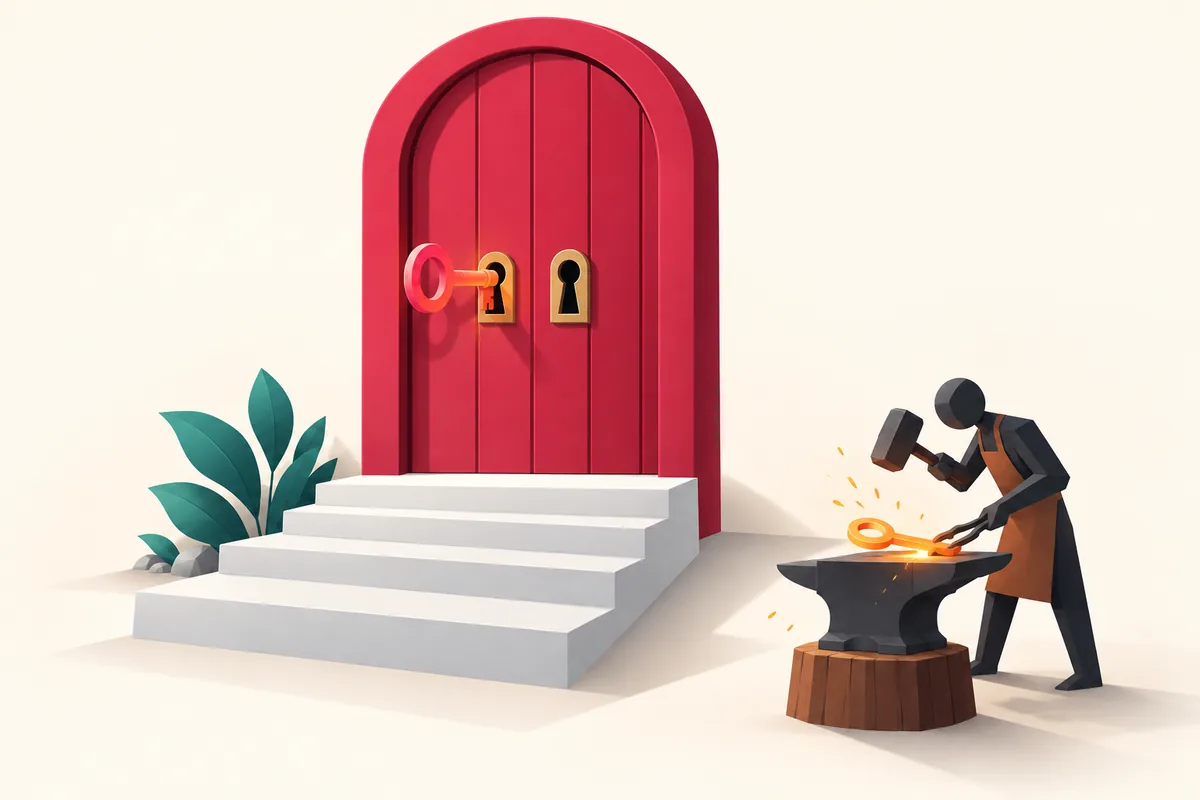
The October 10 cliff — Europe's strange opt-in
How Premium money reaches creators in the first place
Quick refresher, because this revenue line is invisible until you’re monetized and easy to ignore after. Premium members don’t see ads — so instead of ad revenue, YouTube sets aside a share of what those members pay and distributes it to creators based on how much Premium members watch their content. More of a member’s watch time on your videos, bigger slice of their subscription for you.
That’s why a Premium viewer is generally worth more per hour of watching than an ad-supported one, and why channels with loyal, binge-y audiences quietly out-earn their ad RPM. It’s also why a price increase is, mechanically, good news for creators: the same watching now sits on top of a bigger pot. Every subscriber who accepts the new price pays roughly 10–17% more into the pool your watch time draws from.
The catch, of course, is the word accepts.
The churn question — and why your October analytics may wobble
Some subscribers will cancel over this, and in Europe the opt-in mechanism practically guarantees extra churn: every subscriber who ignores the email — not refuses, just ignores — gets cut off on October 10. When that happens, their watch time doesn’t disappear from your channel. It downgrades: the same viewer, the same watching, now monetized through ads instead of a subscription, typically at a lower rate.
So if your audience skews toward the affected markets, the realistic picture for late 2026 is: Premium revenue per member ticks up from late September, then a churn dip around mid-October as the non-accepters fall off, then a slow recovery as some of them resubscribe. None of that says anything about your content. Check your revenue breakdown in analytics before you diagnose — the split between ad revenue and Premium revenue is right there, and so is your audience geography.
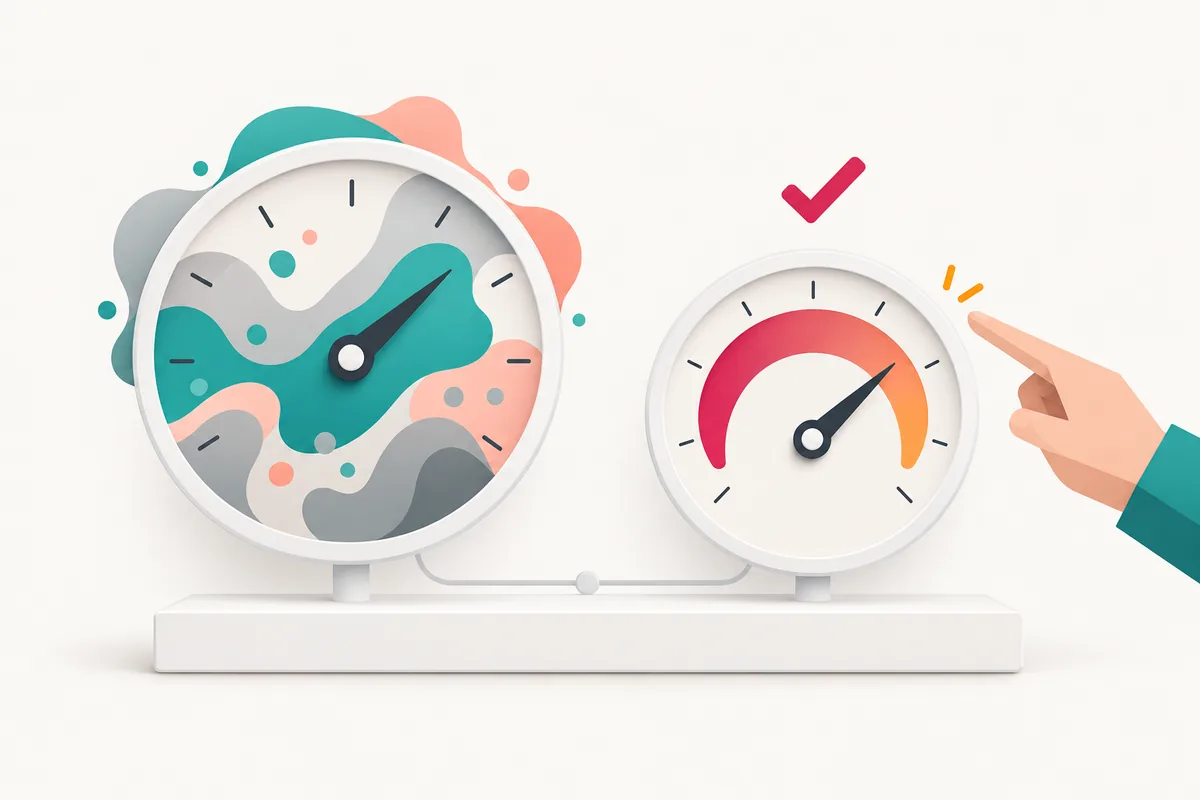
September was already going to be noisy
The bigger arc: subscriptions are the strategy now
This price wave doesn’t exist in a vacuum. Put it next to what YouTube announced alongside the 2027 monetization changes and the shape is obvious: Premium Lite expanding to every Premium market with creators sharing a pool representing 60% of net Lite revenue, YouTube saying it expects to pay out more in 2027 than in 2026, and now the flagship subscription getting pricier almost everywhere. YouTube is deliberately shifting its creator-payout story from ad impressions toward subscription revenue — and charging viewers more is how that story gets funded.
For creators the implication is worth sitting with: the value of your channel increasingly depends on who watches you, not just how many. An audience with a high Premium share is getting more valuable with every one of these waves. An audience that ad-blocks and never subscribes to anything is not.
What to actually do
- Look up your Premium share. In your analytics revenue breakdown, see what fraction of your income already comes from Premium. Most creators have never checked; many are surprised. That number tells you how much this story matters to you at all.
- Check your audience geography. Heavy EU or Singapore viewership means the October 10 cliff is your cliff too. Expect a Premium dip mid-October and don’t read it as a content problem.
- If you’re monetized, do nothing else. There is no action for creators here — no terms to accept, no setting to flip. The pool adjusts on its own.
- If you’re not monetized yet, this is one more reason to hurry. Premium revenue — including the growing Lite pool — only flows to channels inside the Partner Program, and the entry bar doubles on February 1, 2027. Every month outside the program is a month of Premium watch time earning you nothing.
Premium revenue starts at the YPP door
Run your channel against the real monetization thresholds in seconds, free — and see how much runway you have before the bar doubles.
The honest bottom line
For viewers this is a straightforward price hike, and nobody enjoys those. For creators it’s closer to neutral-with-upside: a bigger pool per subscriber, partially offset by churn, wrapped in a couple of months of noisy analytics. The creators who’ll navigate it well are the ones who know their own revenue mix and audience — which, not coincidentally, is the same knowledge that makes every YouTube change survivable. Connecting your channel to iamcreator.io keeps that picture in one place: watch hours, retention, revenue-relevant metrics, and a Value Score for every upload, tracked continuously while the ground shifts under the platform.
Frequently asked questions
How much did YouTube Premium prices go up in 2026?
It depends on the market — 2026 has been a rolling, region-by-region repricing. The US went first in April (individual $13.99 to $15.99), Germany followed in June (individual €12.99 to €14.99, Premium Lite up 33%), and on August 21 a third wave hit Singapore and several European markets with increases of up to 17% — for example Portugal and Italy moved from €17.99 to €20.99 for the individual plan.
When do existing subscribers start paying the new YouTube Premium price?
New subscribers pay the higher rate immediately. Existing members get at least 30 days' notice, with the new price applying from their first billing cycle after that — late September 2026 for most people affected by the August wave. In European markets there's an extra step: per the notices going out, subscribers must actively accept the new price, and taking no action by October 10, 2026 ends the subscription rather than renewing it at the higher rate.
Do creators earn more when YouTube Premium prices go up?
Potentially, yes. YouTube distributes a share of Premium subscription revenue to creators based on how much Premium members watch their content, so a higher price per subscriber means a bigger pool to distribute — provided subscribers stay. The offset is churn: every subscriber who cancels over the price becomes an ad-supported viewer instead, which is typically worth less per hour watched.
How does YouTube Premium pay creators?
A portion of what Premium members pay is set aside for creators and allocated by watch time: the more of a member's watching happens on your videos, the larger your slice. That's why Premium viewers are generally worth more per view than ad-supported ones, and why the revenue line exists even though Premium members never see ads. Premium revenue only flows to channels in the YouTube Partner Program.
Is YouTube Premium Lite also getting more expensive?
In Germany's June 2026 round, Premium Lite took the steepest hike of any tier — from €5.99 to €7.99, a 33% jump. Lite is also central to YouTube's creator-facing plans: alongside the 2027 monetization changes, YouTube announced Premium Lite is expanding to every market where Premium is offered, with creators sharing a pool representing 60% of net Lite subscription revenue.