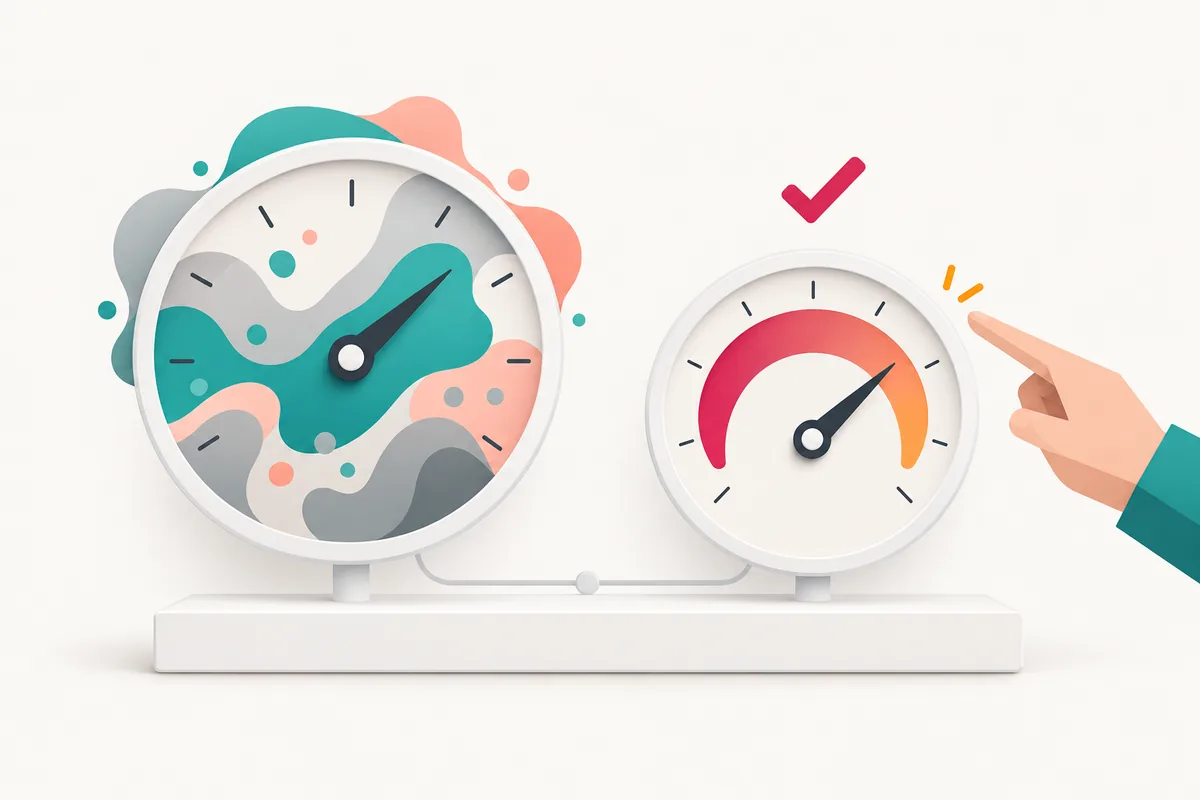
YouTube Is Changing What Counts as a View on August 24 — Your Numbers Are About to Jump
By The iamcreator.io Team · August 18, 2026
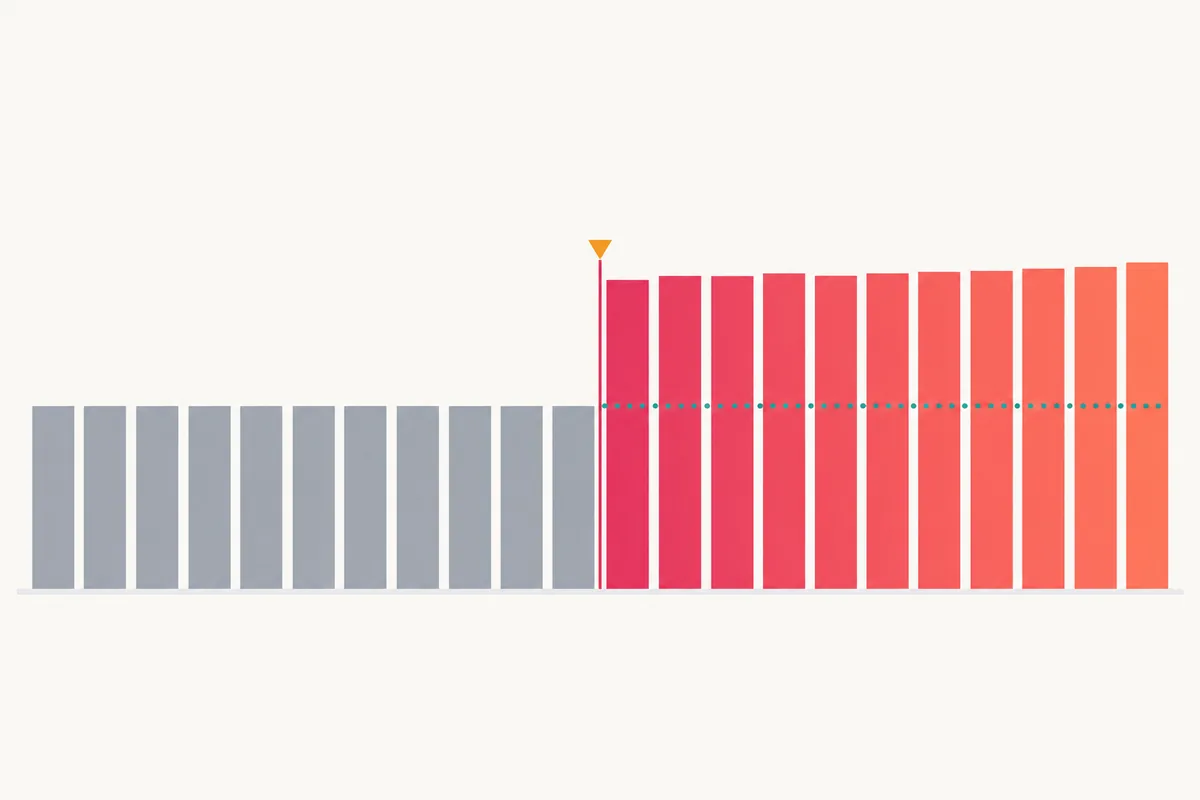
On August 24, 2026, YouTube changes the definition of its most public number. From that date, a view is counted the moment a video starts to play or replay — no minimum watch time, no “did they stick around” test — across long-form videos, live streams, and Shorts alike. Your view counts will go up. Your money won’t move. And if you don’t know what’s coming, your analytics will spend September telling you scary stories that aren’t true.
What actually changes
This is the second half of a change that started last year. In March 2025, YouTube switched Shorts to count a view the instant one starts playing, bringing the format in line with how TikTok and Instagram Reels count. The number everyone actually cared about — the old, stricter count — didn’t disappear; it was renamed engaged views and kept running quietly underneath.
Now the same treatment comes to everything else. Here’s the before and after:
| Format | Until Aug 23, 2026 | From Aug 24, 2026 |
|---|---|---|
| Long-form | Viewer had to watch a meaningful stretch — widely understood to be around 30 seconds, though YouTube never published the exact bar | Counts when playback starts |
| Live streams | Similar watch-a-bit-first logic | Counts when the viewer tunes in |
| Shorts | Already counting on play start (since March 2025) | Unchanged |
| Replays | Had to clear the same watch bar again | Every replay counts the second it starts |
The new number shows up everywhere public views are displayed — watch pages, search results, and the Analytics page in YouTube Studio. YouTube’s own wording is that creators should expect an increase in future views. Note the word future: historical counts are not being restated. Your back catalog keeps the views it has; it just starts accumulating new ones faster from August 24 onward.
What does not change
This is the part to internalize before the numbers start moving, because every one of these stays exactly where it is:
- Your earnings. YouTube states flatly that the change will not impact earnings. Ads are bought against real watching, not against the public counter — advertisers were never paying for a number, they pay for attention.
- YouTube Partner Program eligibility. Also explicitly unaffected. The view thresholds that gate monetization keep running on the stricter engaged-style counting, not the new inflated public number. Nobody gets to 10 million qualified Shorts views faster because the public counter got friendlier.
- Watch hours. Completely untouched. Watch time measures minutes actually watched, and nothing about that changed. The 4,000-hour requirement, the 8,000-hour bar arriving in February 2027, and all the math in how many views 4,000 watch hours takes — all exactly as before. (Though that last question gets a new wrinkle: “views” now means something different than it did when the old rules of thumb were written.)
- Subscribers, likes, comments. No change.
So what did YouTube actually change?
The metrics that will look broken in September
Here’s the practical danger. Views sit in the denominator of half the metrics creators actually steer by. When the denominator inflates and the numerator doesn’t, the ratio drops — and a dropping ratio looks like a problem even when it’s just arithmetic.
| Metric | What happens after Aug 24 | What it means |
|---|---|---|
| Views | Step up | Counting change, not a growth spurt |
| RPM | Steps down | Same revenue ÷ more views. Your actual income is unchanged |
| Average view duration | Steps down | Same watch time ÷ more views. Not a retention collapse |
| Like rate, comment rate | Step down | Same engagement ÷ more views |
| Watch hours | Flat | Genuinely unaffected |
Don't diagnose a retention problem on August 25
The old number isn’t dead — it’s called engaged views
YouTube isn’t deleting the strict count, it’s demoting it from the shop window. The previous counting logic lives on as engaged views — the metric Shorts creators have had since March 2025 — and from August 24 it covers every format. It stays available to channel owners through YouTube’s analytics systems, and it remains the basis for the qualified views that monetization thresholds are built on.
In practice you now have two view metrics with two different jobs: the public count measures reach — how many times anyone so much as started your video — while engaged views measure deliberate watching. We’ve broken down exactly how the two differ, where to find each one, and which number matters for what in views vs. engaged views.
Sponsors, media kits, and the year-over-year trap
YouTube frames the change as helping you “showcase your true impact” to partners and sponsors, and there’s something to that — YouTube creators have been quoting handicapped numbers next to TikTok creators for years. But be clear-eyed about the transition:
- Sponsors will recalibrate. Anyone pricing deals per view will notice the industry-wide jump within a quarter and adjust rates. The honest move — and the one that protects the relationship — is flagging the counting change yourself when you send updated numbers.
- Your year-over-year comparisons break on August 24. September 2026 views vs. September 2025 views is apples to oranges. Anywhere you track growth — a spreadsheet, a media kit, an agency report — annotate the date. Future-you will otherwise waste an evening hunting for a growth spurt that never happened.
- Milestones get cheaper. Hitting 1M views on a video means something slightly different from August 24 onward. Nobody outside the industry will care, but you should know it when comparing your catalog against older videos — including everyone else’s.
What to do this week
- Record your baseline before August 24. Note your trailing 28-day views, average view duration, and RPM. Six days from now those numbers step to a new normal, and having the “before” on paper is the only way to tell recalibration apart from a real change later.
- Annotate the date everywhere you track numbers. One line — “Aug 24: YouTube view counting changed” — in every spreadsheet and report that will outlive the summer.
- Don’t rewrite your goals. A view target set under the old counting is worth revisiting, but monetization goals are untouched: the thresholds didn’t move, and neither did watch hours. Check where you actually stand with the free monetization checker.
- Brief your sponsors before they ask. If you have active brand deals priced per view, a two-line heads-up now beats an awkward conversation in October.
The thresholds didn't move — check where you stand
Run any channel against the real YPP requirements in seconds, no sign-up. Watch hours and qualified views, not the inflated public counter.
The honest bottom line
This is a cosmetic change with real side effects. Nothing about how much you earn, how you qualify for monetization, or how your videos actually perform is different on August 24 — but the single most visible number on the platform starts meaning something new, and every ratio built on top of it shifts with it.
The creators who get burned by changes like this are the ones reacting to charts they don’t know were redefined. The fix is knowing your own numbers cold — before and after. Connecting your channel to iamcreator.io keeps the metrics that actually predict monetization — watch hours, retention, and a Value Score for every upload — tracked continuously through the switch, so when the public counter jumps, you can see at a glance that the fundamentals didn’t.
Frequently asked questions
When does YouTube's new view counting start?
August 24, 2026. From that date, a public view is counted the moment a video starts to play or replay — on long-form videos, live streams, and Shorts — with no minimum watch time. Shorts already switched to this counting method in March 2025; August 24 brings every other format in line.
Will my old videos get more views retroactively?
No. YouTube is not restating historical view counts. The change applies to future plays: from August 24 onward, every play on every video — including your back catalog — is counted under the new logic. Old videos will accumulate views faster going forward, but the totals they earned before the switch stay as they are.
Does the view count change affect monetization or YouTube Partner Program eligibility?
No. YouTube states explicitly that this change will not impact earnings or how creators become eligible for the YouTube Partner Program. Watch hours are untouched, and the view thresholds that gate monetization continue to run on the stricter engaged-style counting rather than the new public number.
Why will my RPM and average view duration drop after August 24?
Because views are the denominator in both. Your revenue and total watch time don't change, but the view count they're divided by gets bigger — so RPM and average view duration will step down on the chart even if nothing about your channel's performance actually changed. Compare like-for-like periods after August 24, not across the boundary.
What are engaged views?
Engaged views are YouTube's name for the previous counting method — views that reflect a deliberate watch rather than any playback start. The metric already exists for Shorts, and from August 24, 2026 it covers every format. It remains available to channel owners through YouTube's analytics systems and continues to power monetization thresholds.
Do replays count as views now?
Yes. Under the new rules a view is counted when a video starts to play or replay. One viewer watching your video three times registers three public views. This is the same behavior Shorts have had since March 2025.