Applying for YouTube Monetization Before February 1, 2027: The Checklist and the Calendar
By The iamcreator.io Team · October 27, 2026
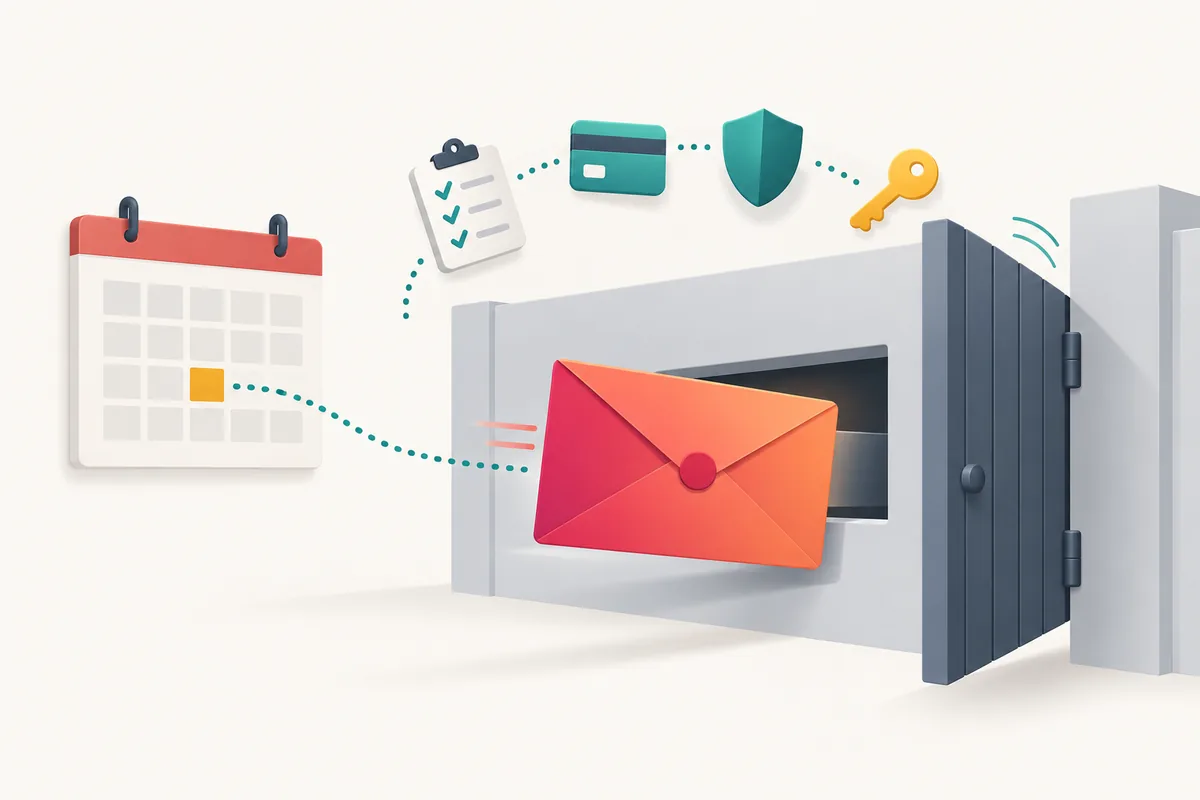
On February 1, 2027, the bar for joining the YouTube Partner Program doubles to 8,000 watch hours or 20 million Shorts views. Channels accepted before that date get in under today’s rules. As of this post there are 97 days left — and most of the advice out there is about the hours. This post is about the other half: the application itself. A channel that crosses 4,000 hours in mid-December and then stalls on an unlinked payments account, an active strike or a pile of copyright claims has the numbers and still misses the door.
Where this fits
What “grandfathered” actually protects
YouTube framed the protection around being in the program. Channels already accepted keep the old bar and aren’t removed for sitting below 8,000 hours. Channels still outside on February 1 apply under the new bar. That leaves three states a channel can be in, and only two of them have a clear answer:
| Your channel on February 1, 2027 | Which bar applies |
|---|---|
| Accepted into the Partner Program | The old bar — you’re in, and you stay in |
| Eligible on paper, but never applied | The new bar — 8,000 hours or 20 million Shorts views |
| Applied, still under review | Not spelled out by YouTube |
The middle row is the painful one, because it’s avoidable. Having 4,000 hours on February 1 doesn’t protect anything if you never pressed apply. Eligibility is a number in Studio; acceptance is what the deadline is measured against.
The gap YouTube hasn’t closed
Why you probably get one attempt
In a normal year, a rejection is an annoyance. YouTube usually asks you to fix the issue and reapply after about 30 days, and you try again. This winter, the arithmetic is less forgiving:
- Apply on December 1. With a review of about a month, the answer lands around early January. If it’s a no, the earliest reapply is around early February — after the bar has already doubled.
- Apply on November 1. A rejection around early December puts the second application in early January — and its review runs straight into the unanswered “pending on February 1” question.
So for most channels that are close to the bar right now, there is realistically one application before the rules change. That shifts the job. It’s not enough to reach the numbers — the first application has to be one a reviewer can say yes to.
The pre-application checklist
Three groups, in the order to work through them. The first is about numbers, the other two are about everything that can sink an application once the numbers are there.
1. The numbers — read them in Studio, not from memory
- 1,000 subscribers. Unchanged by the 2027 update, and still required on every path.
- 4,000 valid public watch hours in the last 365 days — or 10 million valid public Shorts views in the last 90 days. Use the number the Earn section of YouTube Studio shows, not the watch-time total in Analytics: Shorts watch time and hours from private, unlisted or deleted videos don’t count. Our qualified watch hours checker explains the difference.
- Mind the rolling window. Both totals look backwards from the day you apply. Hours watched 11–12 months ago are leaving your total as you read this, so a strong stretch last autumn means your pace has to cover that loss as well as the gap.
2. The gates — finish these before you’re eligible
None of these depend on your numbers, so there’s no reason to leave them for the day you cross the line:
- You live where the Partner Program is available. If it hasn’t launched in your country, the numbers don’t matter yet — check YouTube’s current list before planning a sprint around this deadline.
- 2-Step Verification is on. It’s a security gate on your Google account, not a performance one, and it takes five minutes. Do it today.
- A payments account is ready to link. YouTube needs an approved AdSense or payments account connected to pay you. Get your details in order now rather than discovering a problem in December.
- No active Community Guidelines strikes. An active strike blocks approval. If you have one, check when it expires — if that date lands after January, the strike, not your watch hours, is what decides which bar you face.
3. The channel — review it the way a reviewer will
Eligible channels that get turned down are almost always turned down on policy, not performance. Before you apply, scroll your own uploads page as if you were a stranger deciding whether this channel deserves ad money:
- Is it clearly your work? Channels built mostly from other people’s clips, slideshows or auto-generated videos with little original commentary tend to fail review. If a stretch of uploads leans that way, your best videos need to be the ones a reviewer sees first.
- Does it look mass-produced? Dozens of near-identical, templated videos can read as low-effort production even when each one is technically original.
- Are the copyright and music claims resolved? A back catalog full of claimed or muted videos signals risk. Clear what you can before you apply — and prefer fixing a claim to deleting the video, because a deleted video takes its watch hours with it.
- Does it look alive? A channel that scraped over the line on one viral hit and then went quiet gives a reviewer little to judge. A steady, recent upload history reads as a real, ongoing channel.
The full list of requirements and rejection reasons is in our complete monetization requirements guide.
The calendar
Plan backwards from the safe apply-by date, not from February 1. From this post, that’s 66 days to the application and 97 to the rule change.
| By | Where you should be | What to do |
|---|---|---|
| This week | Numbers known, gates started | Read your valid hours (or 90-day Shorts views) in Studio and your 28-day pace; turn on 2-Step Verification; check for strikes. |
| November 1 | Gates done | Payments details ready, claims cleared, channel self-review done. Nothing left to fix except the numbers. |
| December 1 | Go / no-go | Run the test below. If you’re short, switch plans now instead of sprinting into January. |
| Mid-December | Eligible | Apply the same day Studio marks you eligible. |
| January 1 | Applied | The latest safe application date. Later than this is a bet on the question YouTube hasn’t answered. |
| January 31 | Accepted | The deadline for current partners to accept YouTube’s updated monetization terms in Studio. If you’re in by now, look for that prompt. |
| February 1 | — | The bar doubles for every channel still outside the program. |
The December 1 test
Studio’s Analytics tab shows your watch time for the last 28 days. Divide it by 28 for your hours per day, then multiply by 31 — the days from December 1 to January 1. If the result covers the gap between your valid hours and 4,000, you’re on track to apply in time. If it covers at least half, the deadline is still reachable with a deliberate push — the fastest hours to add are in the pace-math post. If it covers less than half, the honest answer is that this deadline isn’t yours — and the section below is the better use of your winter.
On the Shorts path, the test is the same idea with a harder number: 10 million views in a 90-day window works out to about 111,000 views a day, every day, and the window rolls forward with you right up to the day you apply.
How many days are left right now?
The live countdown to February 1, 2027, with the daily pace you need from today — updated every day, unlike this post.
The day Studio says you’re eligible
- Apply that day. Not after a celebratory week, not when you reach a rounder number. Every day you wait is a day subtracted from the review buffer.
- Keep publishing on your normal schedule. The review is a look at your channel, and a recent, steady upload history is part of what makes it look like a real one.
- Don’t start a back-catalog cleanup. Deleting or privating old videos removes their hours from your total. This is the wrong month to tidy up.
- Ignore anyone selling hours or faster approval. Bought watch time is invalid, doesn’t count and can cost you the channel, and the review can’t be sped up. Expect those pitches to get louder as January approaches — we took them apart in why watch time generators don’t work.
- Still pending in late January? Contact Creator Support rather than assuming you’re covered.
If you’re not going to make it
Missing February 1 is a setback, not a reset — as long as you switch plans deliberately instead of drifting past the date.
- Take the early-access tier. It did not change: 500 subscribers, 3 public uploads in the last 90 days, and either 3,000 valid public watch hours in the past year or 3 million public Shorts views in 90 days unlock memberships, Super Thanks and Shopping. Real income, on a bar that stayed where it was.
- Keep banking hours. Every hour still counts toward the 8,000-hour bar for the full 365 days after it was watched. A channel that ends January at 3,500 hours is far closer to the new door than one that gave up in October.
- Know the Shorts math afterwards. A new Shorts-first channel will need 20 million views in 90 days to get in, and 10 million in 90 days to keep earning from the Shorts pool once it is.
- Keep the checklist. The gates and the channel review above don’t change with the threshold. Finishing them now means your first application under the new bar can be a clean one too.
To see when your channel reaches either bar at its current pace, run your numbers in the watch hours calculator.
Get your personal version of this checklist
See exactly how far your channel is from applying
Sign in with Google, connect your channel, and your roadmap shows your real numbers and the next move — verified from your own data.
The short version
- Being accepted before February 1, 2027 is what protects the old bar — being eligible isn’t enough.
- Treat January 1 as the real deadline: reviews take about a month, and a rejection now leaves no time to reapply.
- Clear the gates and review your channel before you’re eligible, then apply the same day Studio says yes.
- If December 1 says you won’t make it, switch to the early-access tier and keep banking hours for the new bar.
The hours are the hard part, but they’re not the only part. Check your live countdown on the monetization deadline page, and make sure the one application you’ll probably get is the one a reviewer can say yes to.
Frequently asked questions
Do I need to be approved for YouTube monetization before February 1, 2027, or just apply?
Being accepted is what clearly counts. YouTube has said channels already in the Partner Program keep the old bar, and that applications from channels still outside the program on February 1, 2027 are judged against the new one. It has not spelled out what happens to an application that is still under review on that date. Reviews typically take about a month, so the safe move is to have applied by around January 1.
What is the last safe day to apply for YouTube monetization under the old rules?
Around January 1, 2027. YouTube’s review typically takes about a month and can run longer in busy periods, and the weeks before a publicised cutoff will be busy. Applying later is a bet on how YouTube treats applications that are still pending on February 1 — which it hasn’t said. As of 2026-10-27 that leaves 66 days to become eligible and apply.
What do I need before I can apply for the YouTube Partner Program?
1,000 subscribers plus either 4,000 valid public watch hours in the last 365 days or 10 million valid public Shorts views in the last 90 days. On top of the numbers: you must live where the program is available, have 2-Step Verification on your Google account, have a payments account to link, follow YouTube’s monetization policies, and have no active Community Guidelines strikes.
What happens if my YPP application is rejected in December?
YouTube usually asks you to fix the issue and reapply after about 30 days. A rejection that arrives in December or January pushes the second attempt past February 1, 2027, where the bar is 8,000 watch hours or 20 million Shorts views. That is why the channel review checklist matters more this winter than in any normal year — for most channels close to the bar, there is realistically one attempt.
I already have 4,000 watch hours but haven’t applied. Am I grandfathered?
No. The protection covers channels that are in the Partner Program, not channels that could have applied. If you are still outside the program on February 1, 2027, your application is judged against 8,000 hours. Apply the day YouTube Studio shows you as eligible.